
The challenge
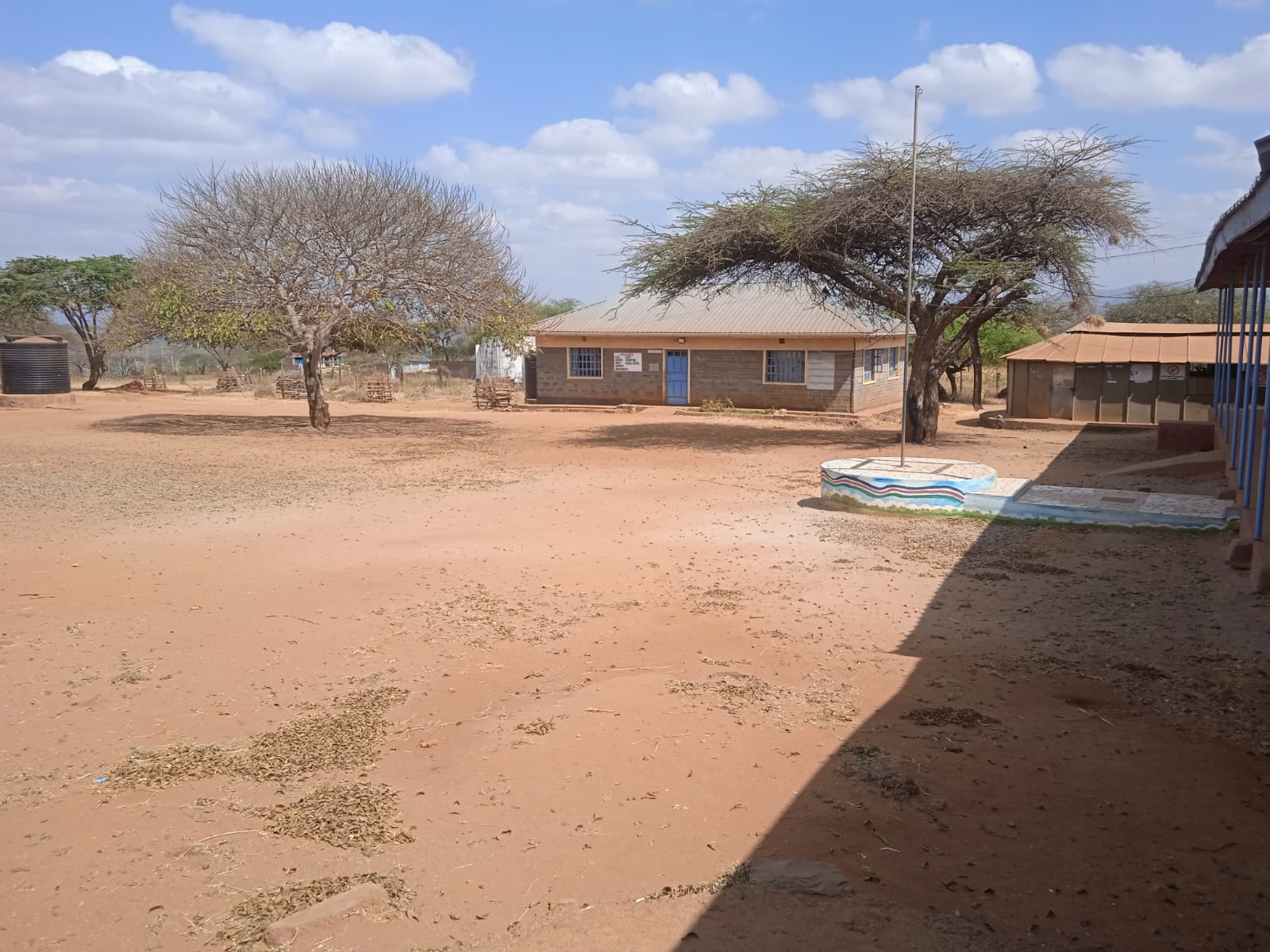
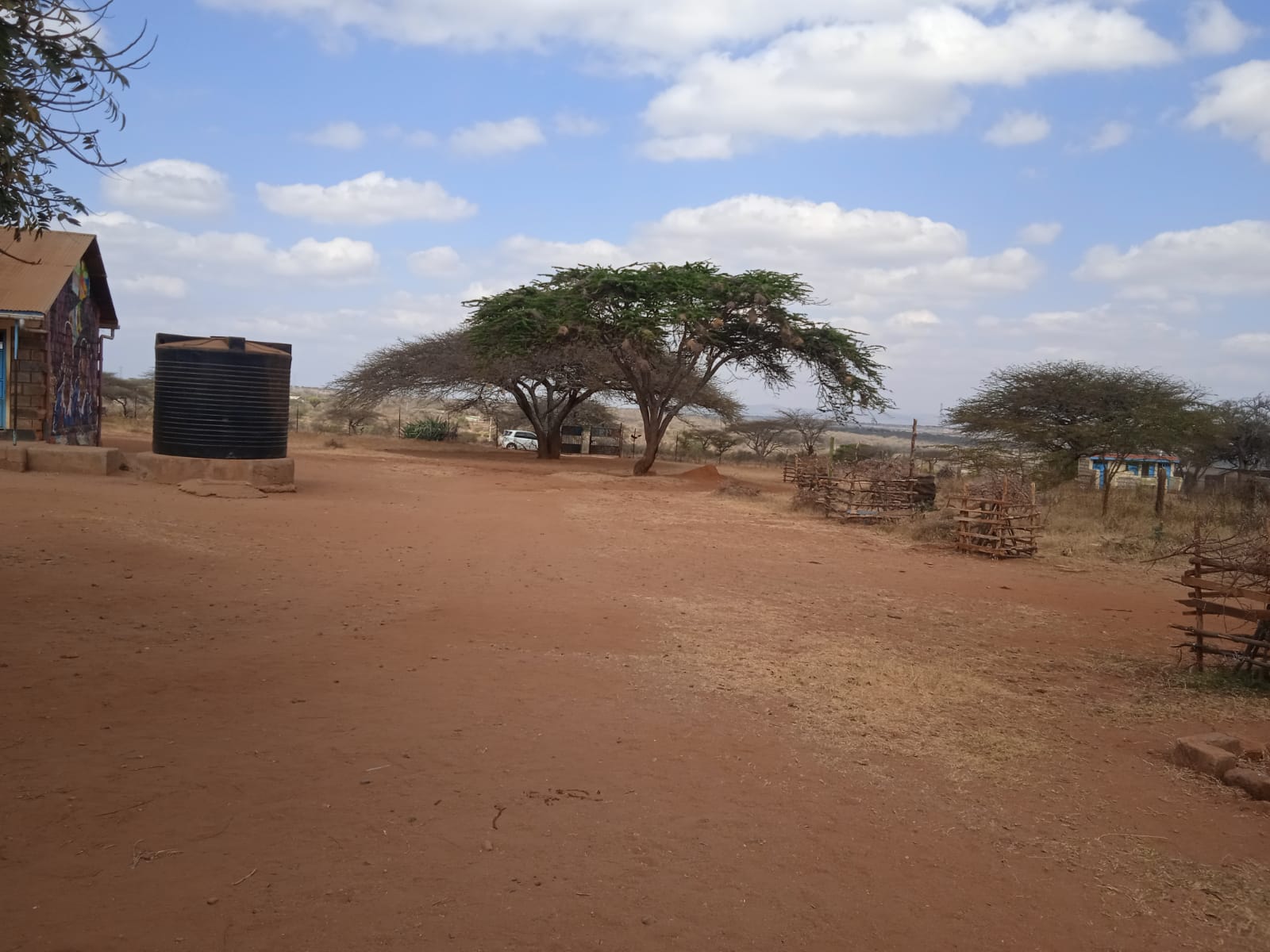
Moipei School is located roughly 350 metres off the Nairobi-Namanga road and serves around 600 students and 23 staff from Nursery through Grade 9. The school primarily depends on rainwater harvesting, with a 140,000-litre collection tank, but dry periods leave the school short of water for drinking, sanitation, food preparation, cleaning and agricultural work.
During the dry season, students sometimes carry water from home to help meet cleaning and agricultural needs. The school needs a second source of water that is more dependable without replacing its existing rainwater infrastructure.
The solution
Rather than drilling a new borehole, the project will connect Moipei School to an existing borehole about 1,200 metres away. The selected source is privately owned, secured, and already has elevated storage capacity. The project will install the pipeline needed to bring water to the school and confirm whether the existing pressure is sufficient or whether a booster pump is required.
- Connect the school to the selected borehole via an approximately 1.2 km water line.
- Assess hydraulic conditions and confirm the final pipeline sizing and route.
- Solarize the borehole pump to reduce dependence on grid electricity.
- Keep the school’s rainwater harvesting system in place as a complementary supply.
Expected impact
The project is intended to give approximately 623 students and staff access to a more dependable second source of water. This would reduce dependence on rainfall, help the school plan agricultural activities with greater certainty, and make it easier to keep clean and sanitary conditions during dry months.
- Reduce the number of times students need to carry water from home.
- Improve access to water for sanitation, food preparation and school activities.
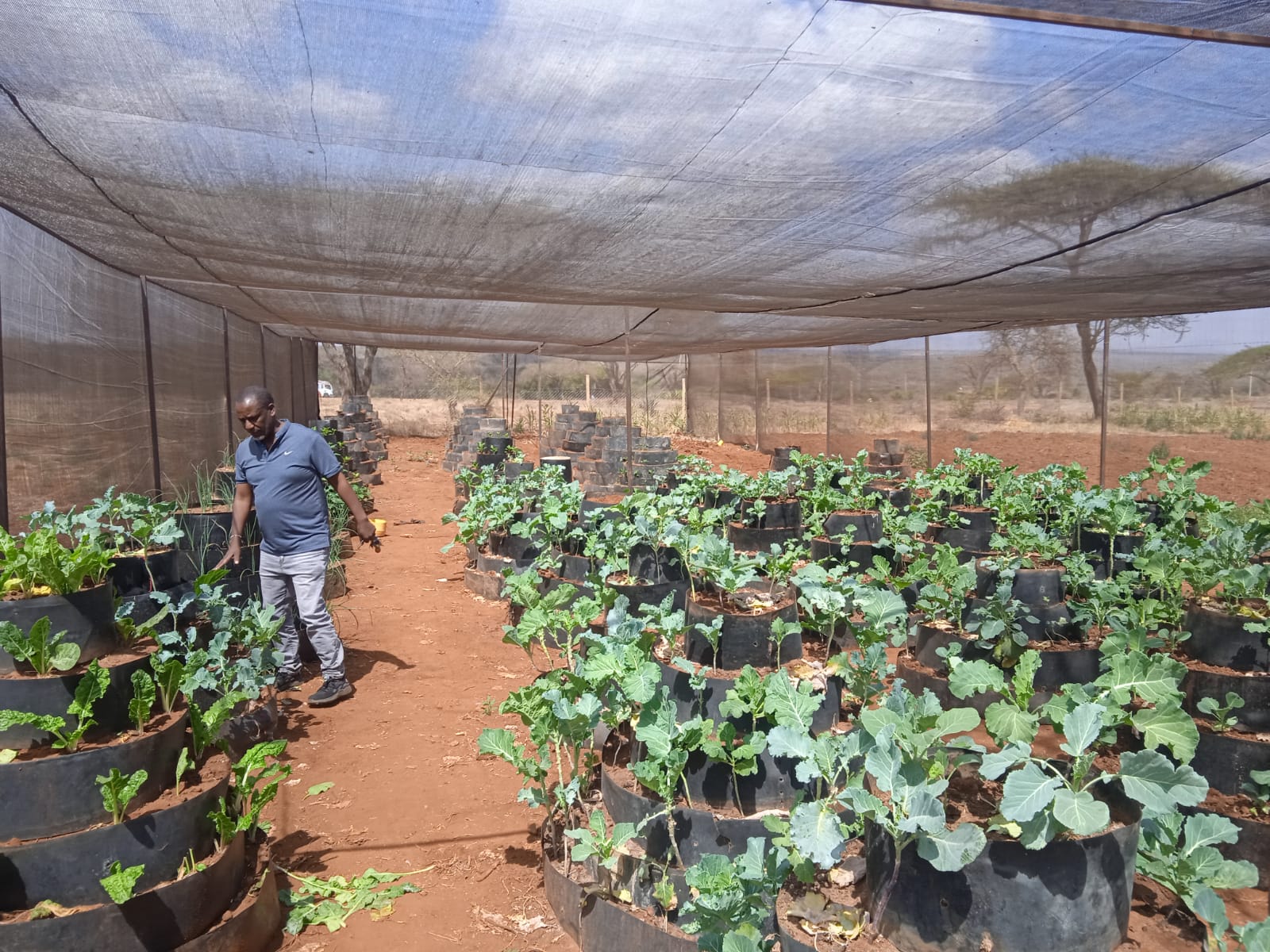
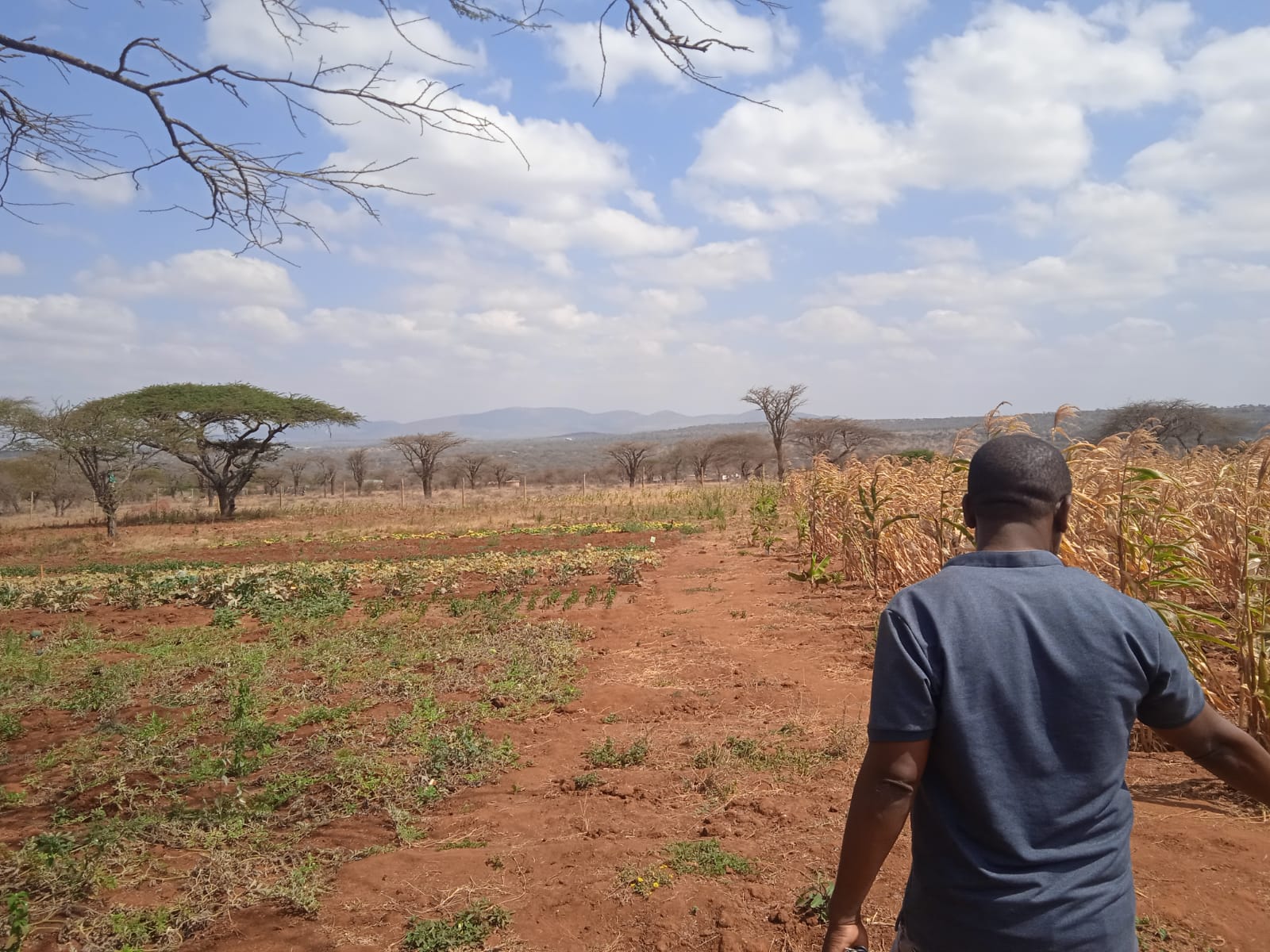
- Support agriculture and the school’s horticulture, bean, maize and fish pond needs.
- Use solar energy to avoid recurring grid-electricity dependence for pumping.
Current implementation status
Several early project steps are already underway or in place. The borehole has been selected and its yield assessed, the existing storage has been reviewed, and the school has secured access to the water supply at a set rate.
Still being finalized are the exact pipeline diameter and route, the hydraulic assessment, the final decision on booster pumping needs, the pump specifications, the solar array and controller sizing, and the final costing. Because the costing is still being finalized, the project funding ask is currently listed as upcoming.
About the publisher
IEEE Student Branch, Technical University of Kenya, is leading the project in partnership with the school community. The project reflects a practical approach to community water resilience, local engineering assessment, and clean-energy adoption.