
The challenge
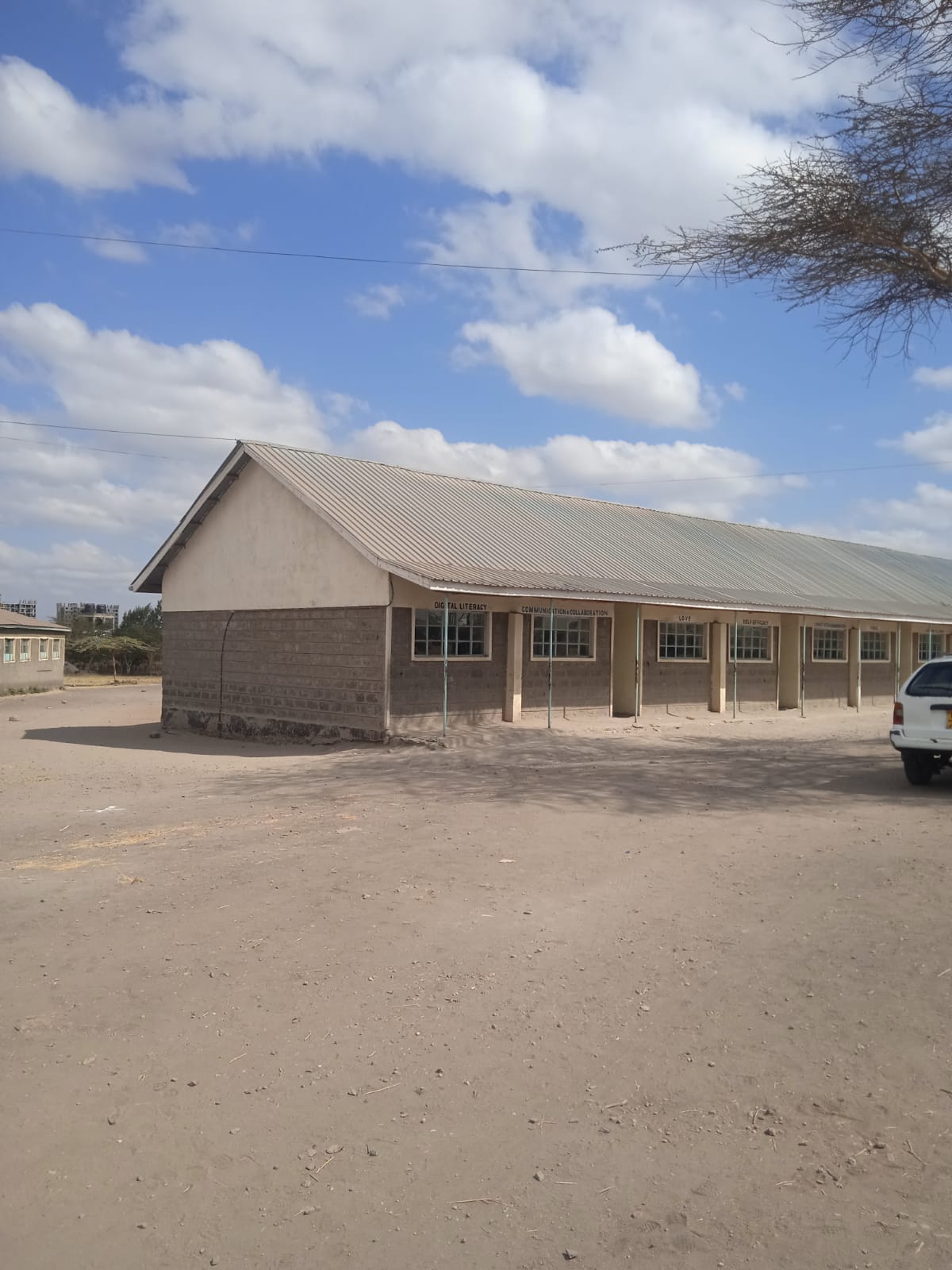
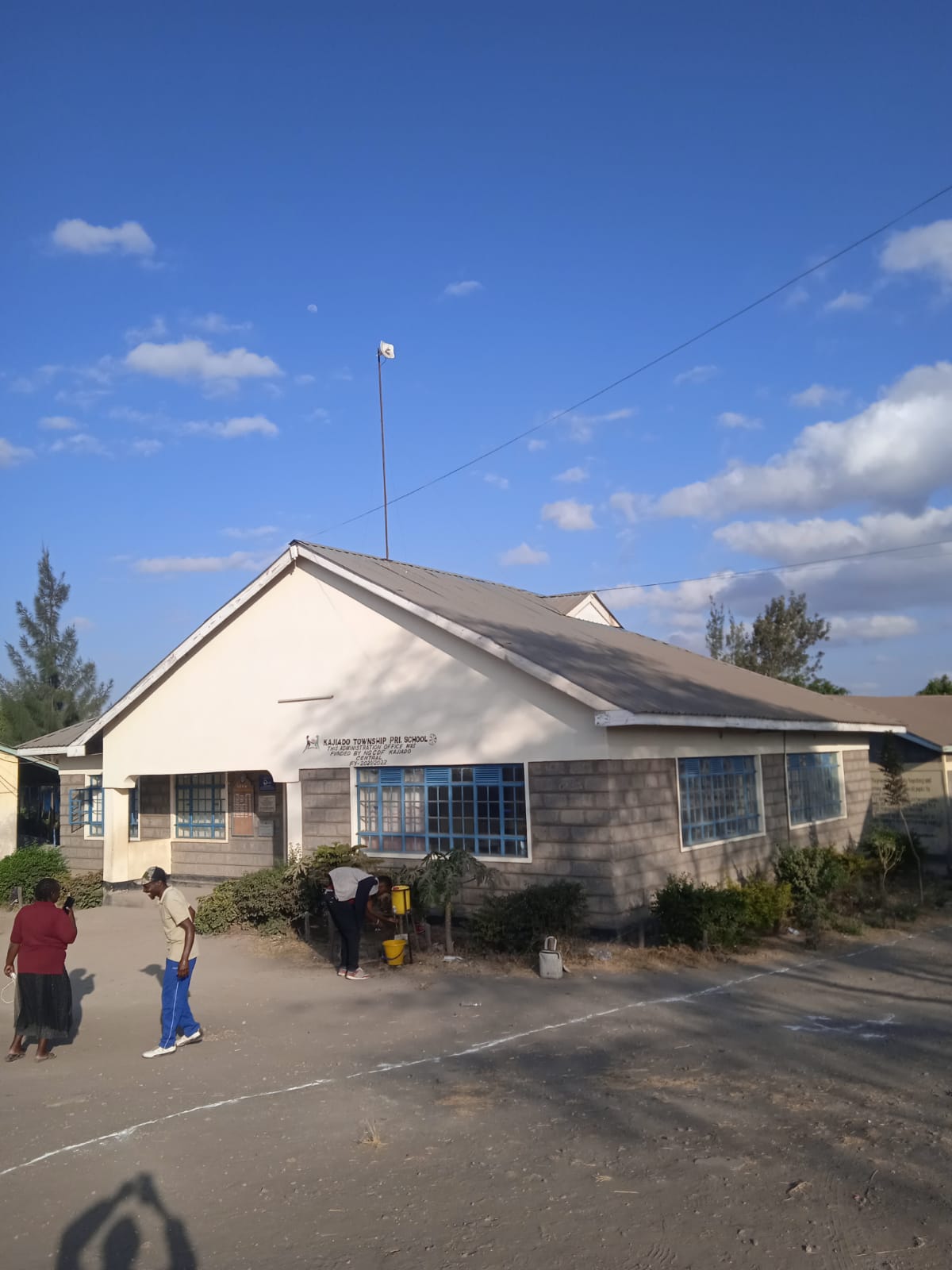
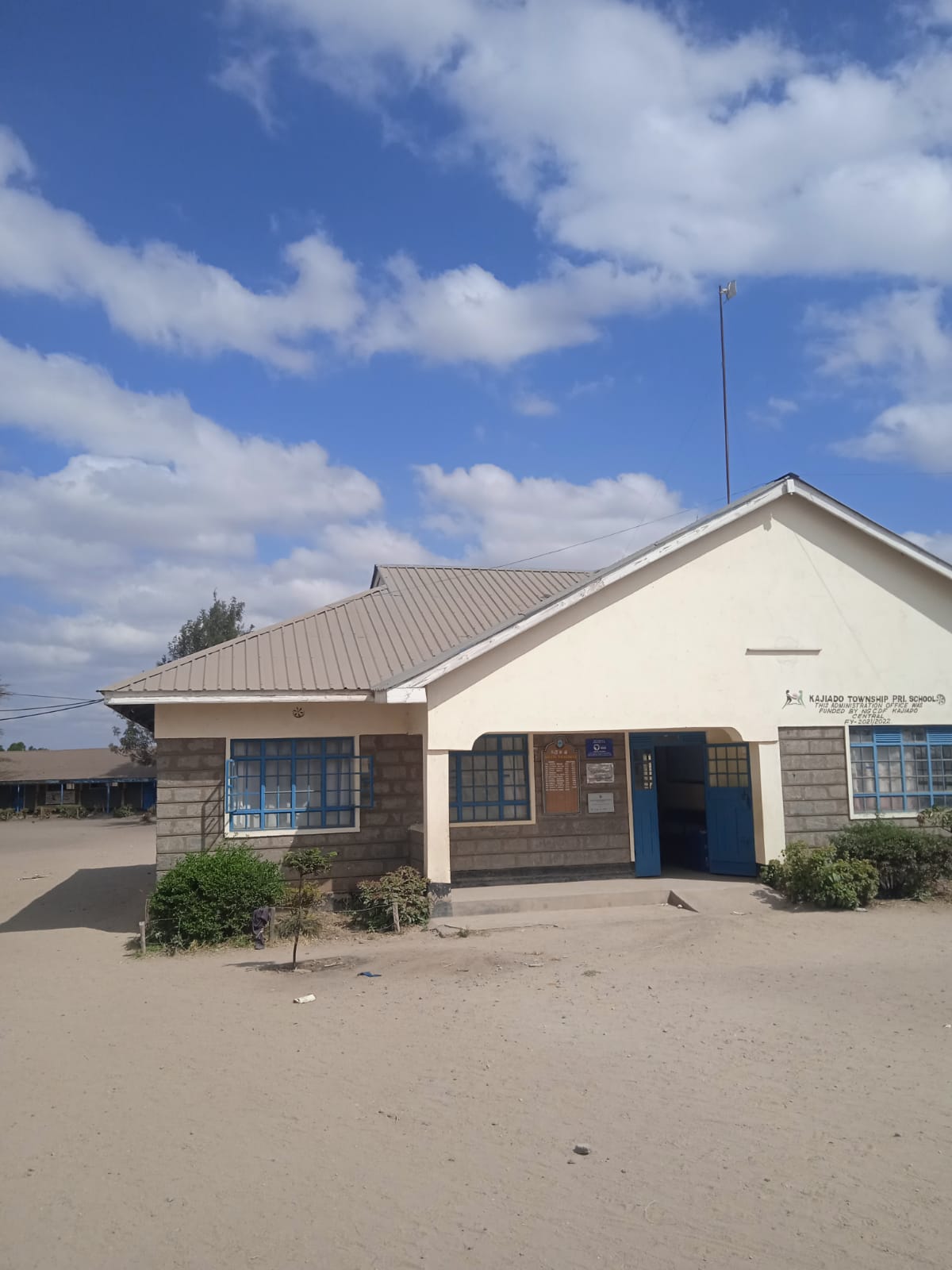
Kajiado Township Consecutive Primary School serves approximately 1,500 students and staff without a reliable water source. The school has depended on intermittent rainwater, purchased water, and water carried from home by students through an informal arrangement with parents.
Water is currently rationed, and the school spends about KES 5,000 each week, or roughly KES 20,000 per month, buying water. An earlier grid-powered borehole pump was too expensive to operate, making a dependable, affordable supply a priority.
The solution
This project moves in two connected phases: first securing a solar-powered school water source, then purifying that water for safe drinking. The distinction matters: UDUARA is seeking support for Phase 2 only, while Phase 1 is already funded and underway.
Phase 1: Funded & underway
Phase 1 has already delivered substantial infrastructure. A new approximately 250-metre borehole has been drilled, with a tested yield of about 3.3 cubic metres per hour. A 5,000-litre elevated tank and a 10,000-litre ground-level tank are on site, and the tank stand has been reviewed and reinforced.
The distribution design has been revised around the new borehole location. Remaining work includes final pump selection after pumping-test results, pump installation and termination, reticulation piping, four handwashing connections, commissioning, and operational testing before handover.
Phase 2: Seeking KES 1.56M
Phase 2 will turn the new water source into safe drinking water at school. The final treatment configuration will be confirmed after Phase 1 is commissioned and the borehole water has undergone physical, chemical and microbiological laboratory analysis.
- Water pretreatment, multimedia, activated carbon and cartridge filtration.
- Reverse Osmosis with feed and high-pressure pumping, membranes and housings.
- Antiscalant dosing, UV sterilization, remineralisation and treated-water storage.
- Reject-water storage, pipework, valves, installation, transport and commissioning.
- A dedicated solar and battery energy system for the RO unit.
The preliminary purification capacity is approximately 1,200 litres per hour. A provisional 48V battery bank and 5.5kW hybrid inverter are being considered, but the water test results will inform the final RO configuration, pretreatment design, battery sizing and inverter sizing.
Expected impact
Once both phases are complete, the school should have a reliable solar-powered water source and an on-site safe drinking water supply. This can reduce dependence on rain and vendors, potentially free around KES 20,000 each month for school priorities, and improve hygiene through four handwashing stations.
The project is more than a borehole: it is a path from unreliable purchased water, to solar-powered supply, to purification and safe drinking water at school. Solar operation also avoids repeating the high grid-electricity costs that made the previous pump uneconomical.
Project status and delivery plan
Project attribution
The report was prepared by Eugene Owino, Project Lead, SHAMSI PRD, Technical University of Kenya, for the Board of Management of Kajiado Central Primary School.
Phase 1 is sponsored by IEEE Region 8, the IEEE Humanitarian Technologies Board and IEEE Tech4Good. UDUARA is facilitating support for Phase 2.